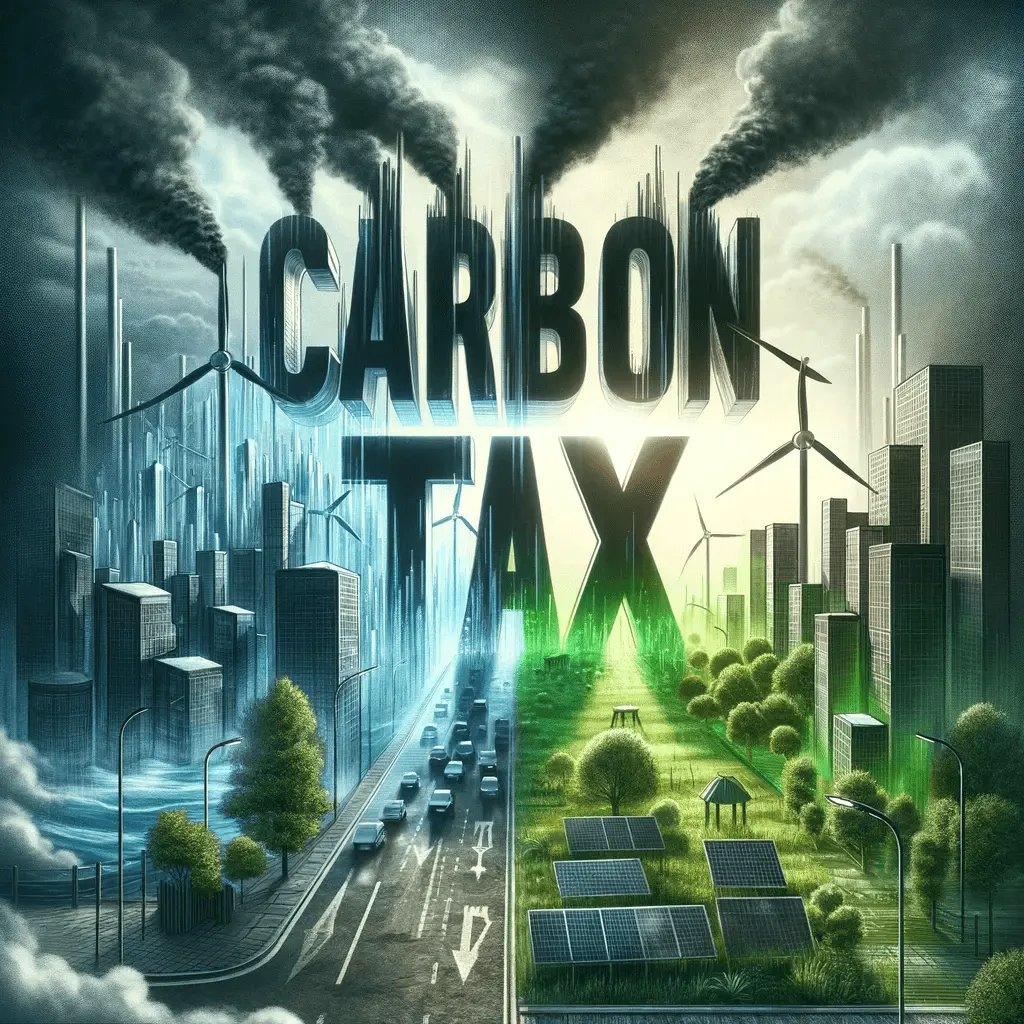
In the global pursuit of combating climate change, carbon credits have emerged as a valuable mechanism to incentivize and promote actions that reduce carbon emissions and enhance carbon sequestration. These credits serve as tangible representations of the reduction or removal of greenhouse gas emissions from the atmosphere, playing a crucial role in mitigating the effects of climate change. While several types of carbon credits exist, they all share the common goal of contributing to a more sustainable and environmentally friendly future.
- Forestry Carbon Credits:
Forestry carbon credits, often associated with REDD+ initiatives, acknowledge the importance of preserving existing forests and reestablishing lost ones. Forests serve as natural carbon sinks, absorbing carbon dioxide through photosynthesis. By conserving or regenerating forests, projects prevent emissions that would arise from deforestation and forest degradation. - Water Carbon Credits:
Water-related carbon credits highlight the nexus between water management and carbon emissions. Wetland restoration projects, for instance, promote the sequestration of carbon in ecosystems such as marshes and mangroves. Concurrently, projects that enhance water management practices indirectly contribute to emissions reduction by minimizing wasteful water use. - Plastic Carbon Credits:
In response to the pervasive issue of plastic pollution, plastic carbon credits have gained prominence. These credits are earned through projects that prevent plastic waste from entering the environment or recycle plastics into new products. Such initiatives directly mitigate plastic pollution while indirectly reducing carbon emissions associated with plastic production. - Renewable Energy Carbon Credits:
Renewable energy projects, encompassing solar, wind, hydro, and geothermal power, yield renewable energy carbon credits. These projects displace carbon-intensive energy sources, substantially lowering emissions generated from conventional electricity production. - Cookstove Carbon Credits:
Projects distributing improved cookstoves in developing regions acquire cookstove carbon credits. These stoves reduce emissions compared to traditional cooking methods, promoting cleaner air and reduced carbon footprints. - Methane Capture Carbon Credits:
Landfills and wastewater treatment facilities emit methane, a potent greenhouse gas. Projects capturing and utilizing these emissions earn methane capture carbon credits. - Livestock Carbon Credits:
Addressing emissions from livestock farming, these credits reward projects that implement practices to manage and reduce methane emissions from manure. - Urban Forestry Carbon Credits:
Similar to forestry credits, urban forestry credits arise from planting and maintaining trees in urban areas. Urban trees not only sequester carbon but also enhance air quality and provide various urban benefits. - Soil Carbon Credits:
Agricultural practices that boost soil carbon sequestration, such as no-till farming or cover cropping, generate soil carbon credits. - Biomethane Carbon Credits:
Biomethane projects, deriving renewable natural gas from organic waste, yield biomethane carbon credits. - Blue Carbon Credits:
These credits are tied to coastal and marine ecosystems—mangroves, seagrasses, and salt marshes—that efficiently capture and store significant amounts of carbon. - Energy Efficiency Carbon Credits:
Like renewable energy credits, energy efficiency carbon credits arise from projects that enhance energy efficiency in buildings, industries, or transportation, thus reducing carbon emissions. - Carbon Capture and Storage (CCS) Carbon Credits:
CCS projects capture carbon emissions from industrial processes or power plants and store them underground.
The diverse spectrum of carbon credits exemplifies the multifaceted approaches taken to combat climate change. As entities worldwide strive to reduce their carbon footprint, these credits provide an avenue for collaboration, innovation, and collective impact. Whether through preserving forests, adopting cleaner energy sources, or pioneering sustainable waste management, each type of carbon credit contributes to a more sustainable future for generations to come.