By: Trimo Pamudji Al Djono (Community Development Specialist)
Carbon credits are tradable certificates that represent the reduction of one tonne of carbon dioxide or the equivalent of other greenhouse gases. They can be used to offset emissions from other activities, such as flying or driving.
Carbon credit projects can be implemented at any scale, from the individual to the corporate level. However, community-based carbon credit projects are becoming increasingly popular. These projects are often led by local organizations and individuals who are committed to addressing climate change at the local level.
Success story
One example of a successful community-based carbon credit project is the Kaiga Indigenous Carbon Project in Australia. This project is led by the Kaiga Aboriginal Corporation and aims to reduce greenhouse gas emissions by restoring native vegetation on traditional lands. The project has planted over 1 million trees and has helped to create jobs and improve the health of the local environment.
The Kaiga Indigenous Carbon Project is a good example of how community-based carbon credit projects can be used to address climate change while also providing benefits to local communities. By working together, communities can make a real difference in the fight against climate change.
Here are some other examples of successful community-based carbon credit projects:
- The Vermont Biochar Project in the United States is a project that uses biochar to reduce greenhouse gas emissions from agriculture. Biochar is a charcoal-like substance that is made from biomass. It is used to improve soil quality and reduce the need for fertilizers.
- The Kilimanjaro Water Project in Tanzania is a project that is reducing deforestation by providing clean water to communities. The project has built over 1,000 water tanks and has helped to plant over 100,000 trees.
- The Mangrove Restoration Project in Indonesia is a project that is restoring mangrove forests. Mangrove forests are important for protecting coastlines from erosion and for absorbing carbon dioxide.
These are just a few examples of the many successful community-based carbon credit projects that are taking place around the world. By working together, communities can make a real difference in the fight against climate change.
How to create the project?
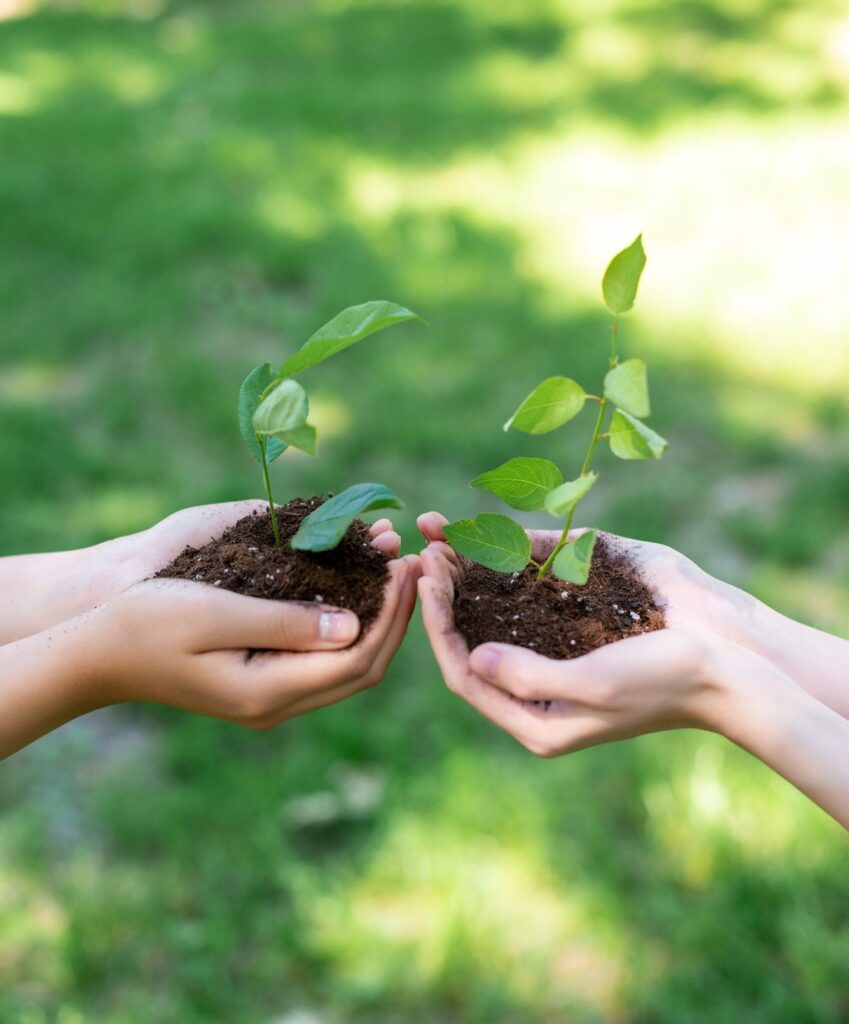
Here are some ways to create carbon credit projects at the community level:
- Plant trees. Planting trees is one of the most effective ways to reduce carbon emissions. Trees absorb carbon dioxide from the atmosphere and release oxygen. They also help to improve air quality and provide shade and habitat for wildlife.
- Reduce energy consumption. There are many ways to reduce energy consumption, such as using energy-efficient appliances, weatherizing your home, and driving less.
- Switch to renewable energy. Renewable energy sources, such as solar and wind power, do not produce greenhouse gases. Switching to renewable energy can help to reduce your carbon footprint.
- Conserve water. Water is a precious resource that is becoming increasingly scarce. There are many ways to conserve water, such as fixing leaky faucets, taking shorter showers, and watering your lawn less often.
- Offset your emissions. If you cannot reduce your emissions to zero, you can offset them by investing in projects that reduce greenhouse gases elsewhere. There are many different carbon offset projects available, such as planting trees, investing in renewable energy, and supporting energy efficiency projects.
Here are some additional tips for creating carbon credit projects at the community level:
- Get involved in your community. Learn about the local climate challenges and find ways to address them.
- Partner with other organizations. Working together can make it easier to achieve your goals.
- Be creative. There are many different ways to reduce carbon emissions. Don’t be afraid to think outside the box.
- Be patient. It takes time to make a difference. Don’t get discouraged if you don’t see results immediately.
By creating carbon credit projects at the community level, you can help to reduce greenhouse gas emissions and mitigate the effects of climate change.