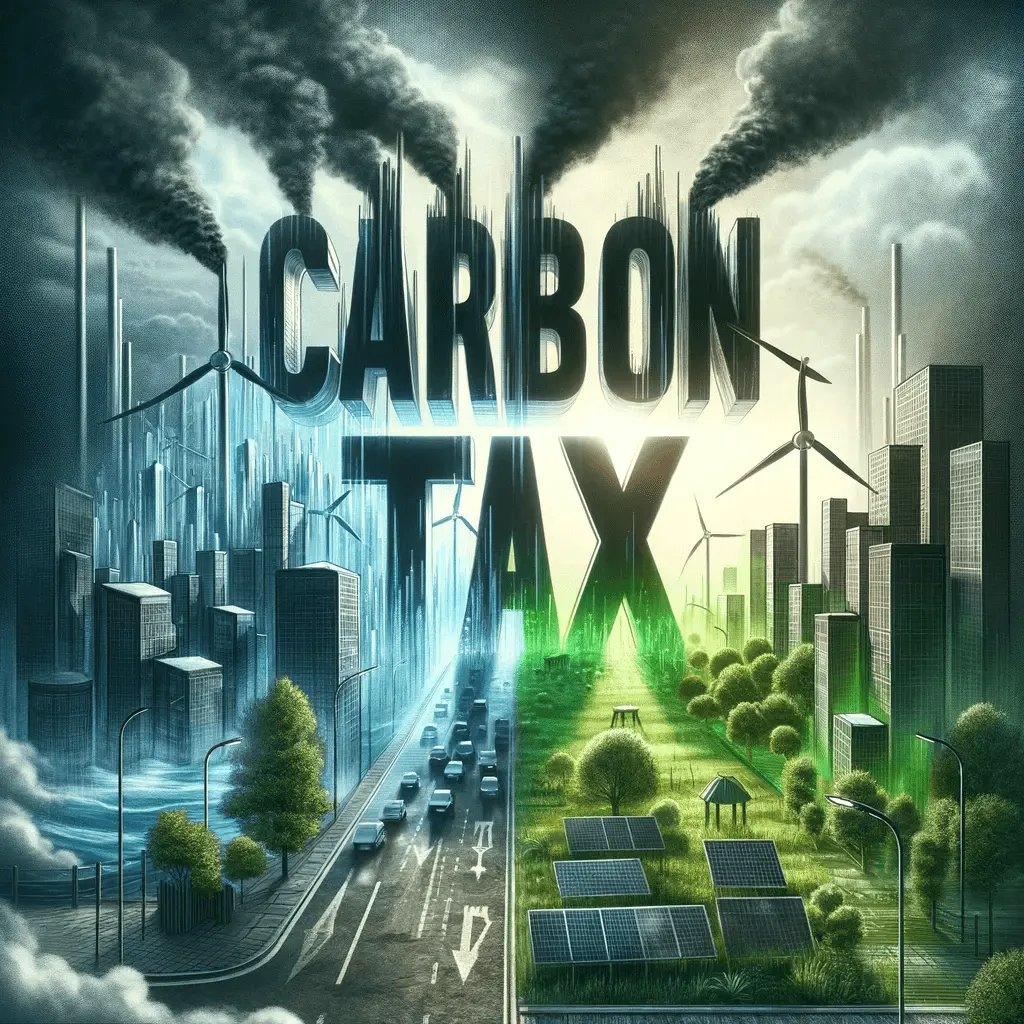
In the face of escalating climate change concerns, governments worldwide are adopting various strategies to reduce greenhouse gas emissions. One such powerful tool is the Carbon Emission Tax, a policy designed to directly tax the carbon content of fossil fuels. The primary objective of this tax is to shift the economic balance away from fossil fuels, making them less attractive due to increased costs. This, in turn, nudges businesses and consumers towards cleaner, more sustainable energy sources.
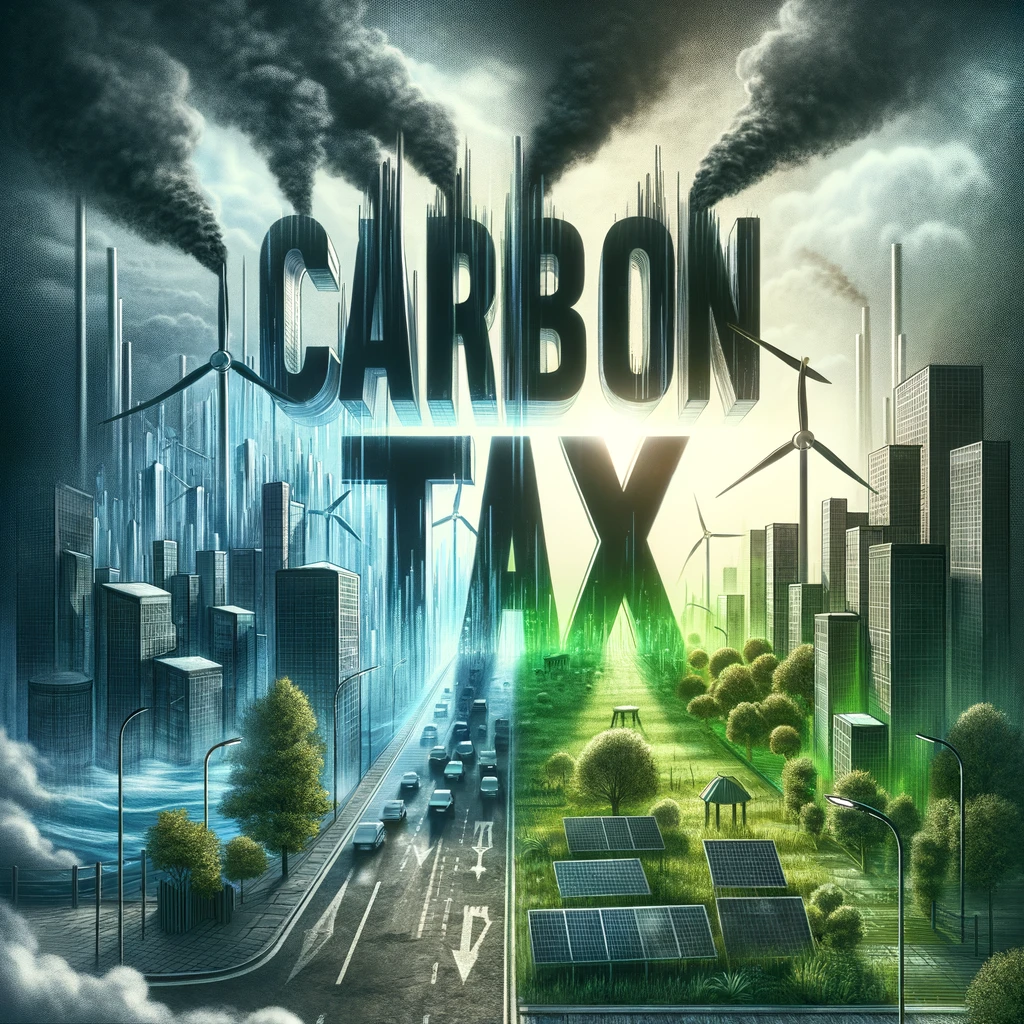
What is Carbon Emission Tax?
A Carbon Emission Tax is a fee imposed on the carbon content in fossil fuels. It is based on the principle that the polluter should bear the cost of the environmental impact their emissions cause. This tax varies depending on the amount of carbon emitted when the fuel is burned. For example, coal would attract a higher tax than natural gas.
The tax is calculated per ton of carbon dioxide (CO2) emitted, thus directly linking the tax to the environmental harm caused by the fuel. The revenue generated from this tax can be used to fund renewable energy projects, improve energy efficiency, or even be redistributed to the public through rebates or tax reductions.
Why Carbon Emission Tax?
1. Economic Incentive to Reduce Emissions
By making fossil fuels more expensive, a Carbon Emission Tax encourages businesses and consumers to seek out cleaner alternatives. This financial motivation is a critical driver in transitioning towards renewable energy sources like solar, wind, and hydro power.
2. Encouraging Innovation
Higher costs for carbon-intensive fuels spur innovation in two primary areas: development of low or zero-carbon energy sources and advancement in energy efficiency technologies. Companies are incentivized to invest in research and development of cleaner technologies to stay competitive.
3. Revenue for Climate Initiatives
The tax collected provides a significant revenue stream that governments can use to fund various climate change initiatives. This might include investing in renewable energy infrastructure, supporting climate adaptation and mitigation projects, or helping communities transition away from fossil fuel dependency.
Challenges and Considerations
While effective, implementing a Carbon Emission Tax is not without its challenges. Key considerations include:
- Determining the Tax Rate: Setting the right tax rate is crucial. If too low, it won’t incentivize change; if too high, it could burden the economy, especially affecting low-income groups.
- Global Coordination: Climate change is a global issue. Without international cooperation, businesses might relocate to countries with laxer emission standards, a phenomenon known as “carbon leakage.”
- Balancing Economic Impact: Governments need to balance the environmental benefits of the tax with potential economic downsides, such as increased energy costs and the impact on energy-intensive industries.
Conclusion
The Carbon Emission Tax is a potent tool in the global effort to combat climate change. By directly linking the cost of fossil fuels to their environmental impact, it provides a clear financial incentive to move away from carbon-intensive energy sources. When implemented thoughtfully, considering economic and social impacts, it can steer both consumers and businesses towards a more sustainable and environmentally friendly future.